

Summer Hydration for Runners: How to Stay Hydrated in the Heat
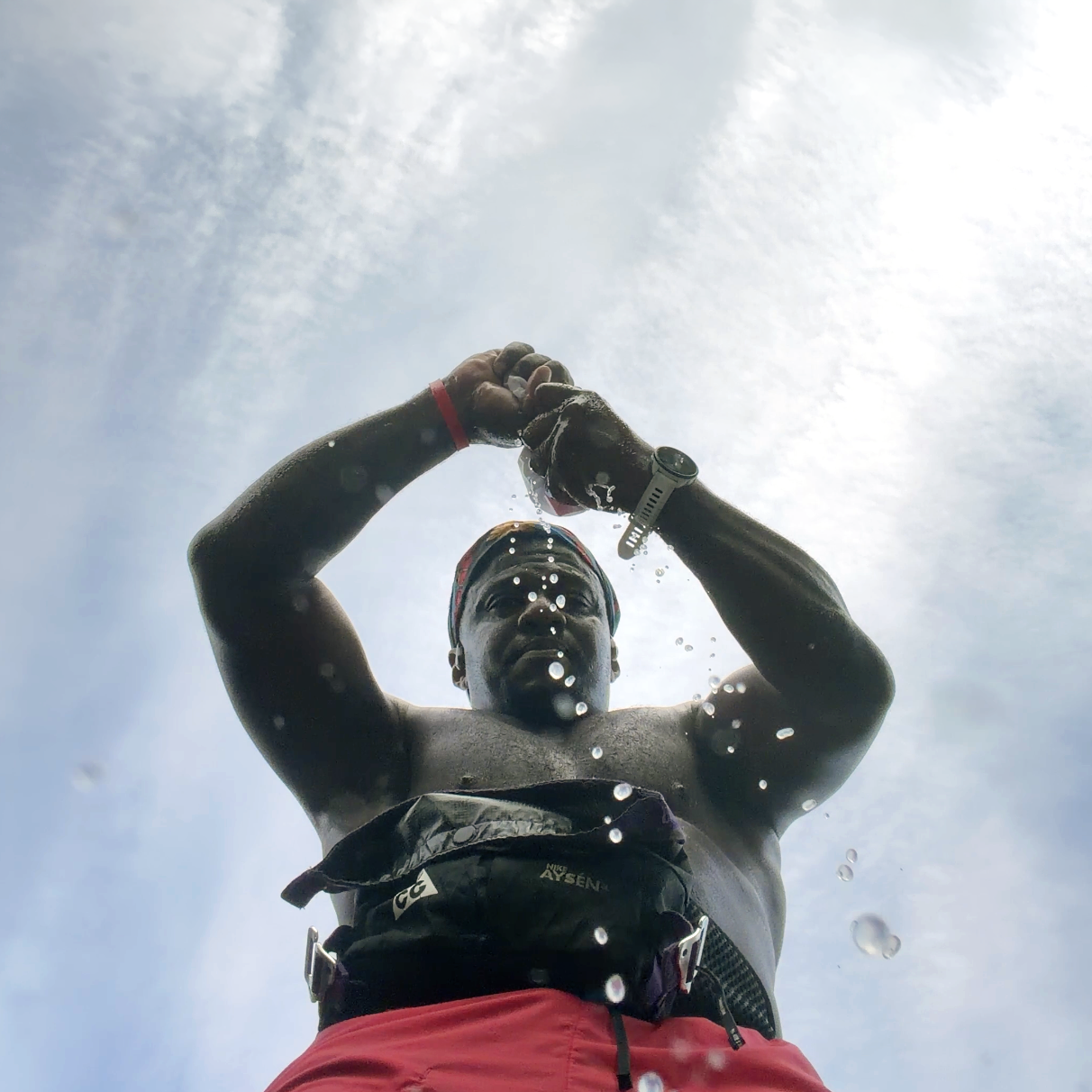
Recently, I've watched people literally wring out their shirts after a long run. Hydration is always important, but it's especially important during the summer heat. You may think it's a quick way to lose weight, but that "water weight" is incredibly important for athletes—and it's not something we want to lose. The average runner loses 0.5-2.0 liters of sweat per hour of exercise–the sweatiest athlete on record was a distance runner, Alberto Salazar, who lost 3.7L/hour when he was getting ready for the 1984 olympics.
Why Does Hydration Matter?
We all know that sweat is your body's way of cooling itself down. As temperatures and humidity rise during the summer, your sweat rate increases. Your hydration status affects your heart rate, rate of perceived exertion, pace, and even your recovery.
When you're dehydrated, your blood volume decreases, your heart rate increases, blood flow to your skin and digestive system decreases, your core body temperature rises, and your body relies more on its glycogen stores. You don't have to be "dehydrated" to notice a drop in performance—even losing just a small percentage of your body weight through sweat can make a run feel much harder than it should. Thirst isn’t triggered until you’ve lost 1-2% of your bodyweight. At around 2% body weight loss, performance typically begins to decline. If you lose more than 2% that’s when you're more likely to experience headaches, fatigue, dizziness, nausea, a drop in blood pressure, and an elevated heart rate.
Hydration Is More Than Just Drinking Water
Mid-run, the sweat starts dripping into your eyes and the stinging begins. Or maybe you finish your run and notice white salt rings on your clothes, or your skin feels crusty once you've dried off. Those are two of the easiest clues that you are a salty sweater.
Sweat contains more than just water. The largest electrolyte lost is sodium, followed by much smaller amounts of potassium, calcium, and magnesium.
It's hard to find a one-size-fits-all recommendation for how much sodium you should consume during a training run because sodium loss is incredibly individualized. How salty your sweat is has much more to do with genetics than how much sodium you eat. Some runners naturally lose very little sodium, while others lose several times more with every liter of sweat.
So, what does this mean for hydrating properly? If you replace heavy sweat losses with only plain water, you can dilute your body's sodium levels. In rare cases, drinking excessive amounts of plain water without replacing sodium can contribute to exercise-associated hyponatremia, a potentially serious condition caused by dangerously low blood sodium levels. That's where sports drinks and electrolyte mixes become valuable, especially during longer runs or particularly hot and humid conditions. Sodium plays several important roles in keeping your body hydrated. It helps you retain the fluids you drink, maintain blood volume, support muscle contractions, and keep your nerves functioning properly.
How Much Should You Drink?
Just like the amount of sodium you lose is unique to you, the amount you sweat is also unique to you—which means there is no universal hydration plan. Don’t ignore thirst, but don't rely on it as your only hydration strategy during long runs. By the time you're thirsty, you've already started to lose fluid (1-2% of your bodyweight).
You don't need to pay for a fancy sweat test (although if you really like data, they're pretty interesting). You can do a pretty good sweat test right at home. Before your run, weigh yourself without clothes and record that number. Go for your run, and if you drink anything while you're out, keep track of exactly how much fluid you consume. When you get home, towel off, remove your sweaty clothes, and weigh yourself again. For every pound of body weight you lost, you lost approximately 16 ounces of fluid. But don't forget to account for what you drank during your run.
For example:
Starting weight: *150 lb**
Ending weight: *149 lb**
Weight lost: *1 lb = 16 oz**
Fluid consumed during the run: *20 oz**
Your estimated sweat loss was 36 ounces(16 oz from body weight + 20 oz that you replaced while running).
Doing this over a few different runs in different weather conditions will give you a much better idea of your typical sweat rate.
Pre + Post Run Hydration
Your hydration plan should start before your run even begins—you don't want to spend the first few miles playing catch-up. If you're a salty sweater, or you know you're heading out for a long run in the heat, consider drinking 8-16 ounces of water with an electrolyte mix before you head out.
You should also practice your hydration strategy. Hydration should be part of your overall fueling plan. If you plan on carrying a handheld bottle or hydration vest during your race, train with it. Figure out which hydration mix works best for you. If you're planning to use the aid stations on race day, find out what drink they'll be serving and practice with it during training. Just like your gels, your gut needs to get used to both the hydration mix and the amount of fluid you plan to consume.
Even if you're losing a liter of sweat every hour, that doesn't mean you have to replace every ounce while you're running. For most runners, taking in about 10-24 ounces of fluid per hour is a reasonable starting point, although your needs may be higher or lower depending on your sweat rate, pace, and the weather.
During races, it's often difficult—and sometimes uncomfortable—to replace all of the fluid you're losing. That's okay. The goal is to minimize dehydration while continuing to fuel and hydrate well enough to perform. You can make up the remaining fluid losses after your run.
Post-run hydration is just as important. Dehydration can increase muscle soreness, delay recovery, and make it harder to bounce back for your next workout. A good guideline is to drink 16-24 ounces of fluid for every pound of body weight lost during your run. Don't get home and immediately start chugging water. Your body can only absorb fluid so quickly—roughly 1.5 liters per hour—so it's better to sip fluids steadily while also replacing sodium and eating a recovery meal.
Which Hydration Mix Should You Use?
Like almost everything in endurance sports...it depends. Some questions to ask yourself:
Do you need additional carbohydrates beyond what you're getting from your gels?
Are you a particularly salty sweater?
What does your stomach tolerate best?
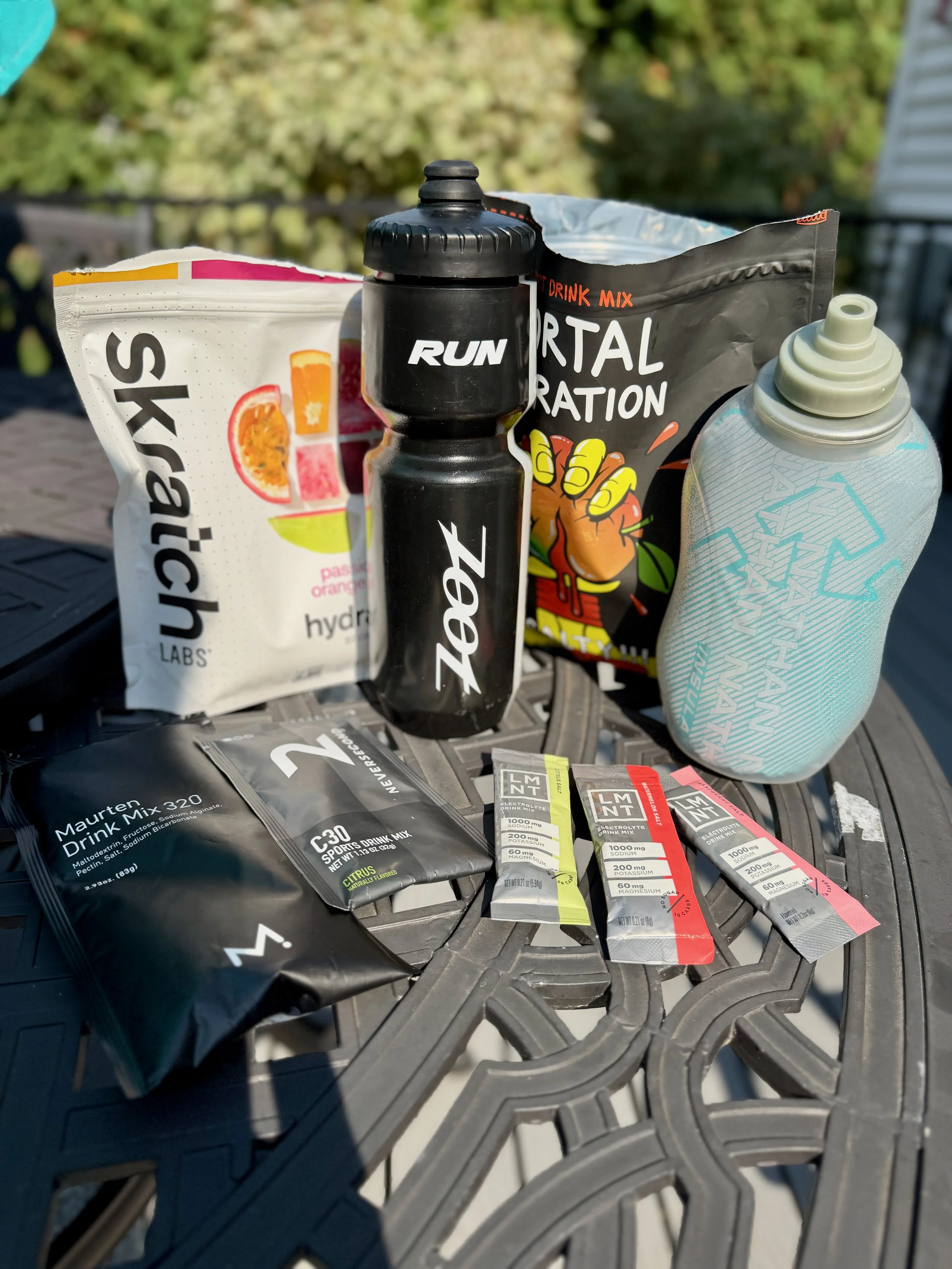
Hydration mixes like Skratch and Tailwind provide both carbohydrates and electrolytes, making them a great option for many runners during long runs. If sodium replacement is your primary concern and you have a sensitive stomach, another thing to consider is the form of sodium used in the product. Some hydration mixes, such as LMNT and Mortal Hydration, primarily use sodium chloride (table salt), while others, like Skratch, use sodium citrate. Others, like Gatorade, use a mixture of sodium chloride and sodium citrate. Both are effective at replacing sodium—the electrolyte we're trying to replace. This is something you can play with on fueling test runs if you are having trouble finding what feels right in your stomach. The best suggestion I can make is to try different mixes, what works for me, may not work for you.
Many athletes find sodium citrate easier on the stomach. One reason is that large amounts of chloride ions in solution can irritate the small intestine in some people, particularly when you're trying to consume high concentrations of sodium during long runs or races. Sodium citrate tends to be much better tolerated in a drink mix, making it a popular choice for athletes with sensitive stomachs. That doesn't mean sodium chloride is "bad." It's an effective way to replace sodium, and most runners will replenish chloride naturally through the foods they eat after their workout. The best hydration mix is ultimately the one that matches your sodium needs, sits well in your stomach, and is something you'll actually drink consistently.
Give Your Body Time to Adapt
With consistent training in the heat, your body begins to make several changes that improve its ability to keep you cool. Most runners become heat acclimated in about 7-14 days, although full adaptations can take a little longer. During that time, you'll begin sweating sooner, produce more sweat, maintain a higher blood volume, and keep your core temperature and heart rate lower at the same pace. In other words, your body becomes much more efficient at cooling itself. Humidity makes it harder for sweat to evaporate from your skin. Since evaporation is what actually cools your body, a humid 75°F day can feel much harder than a dry 85°F day. That doesn't mean the heat suddenly feels easy, but it does mean those miserable first few hot runs won't last forever. Okay...maybe not easy—but they definitely become more manageable.. Remember, safely training through the summer heat can pay off in the fall. Once temperatures cool down, many runners notice they can maintain faster paces at the same effort thanks to the fitness and heat adaptations they built over the summer.
Hydration isn't about drinking as much water as possible. It's about replacing what your body loses so you can continue training, recovering, and performing at your best. The better you understand your own sweat rate and hydration needs, the more confident you'll feel when the temperatures rise.